When was the last time you looked at an employee’s resume? When you hired them? When they applied for a promotion? Or maybe never because you inherited a team and hit the ground running.
You know your mandate. You understand the company’s strategy. You assign work based on what you think you know about your team’s strengths and experience. But do you actually have the full picture you need to delegate effectively, fuel motivation, strengthen morale, and build a succession bench that lets everyone move up and onward?
Most managers don’t. That’s why I use resume writing as a development tool: a fast, human, deeply effective way to understand who your employees really are.
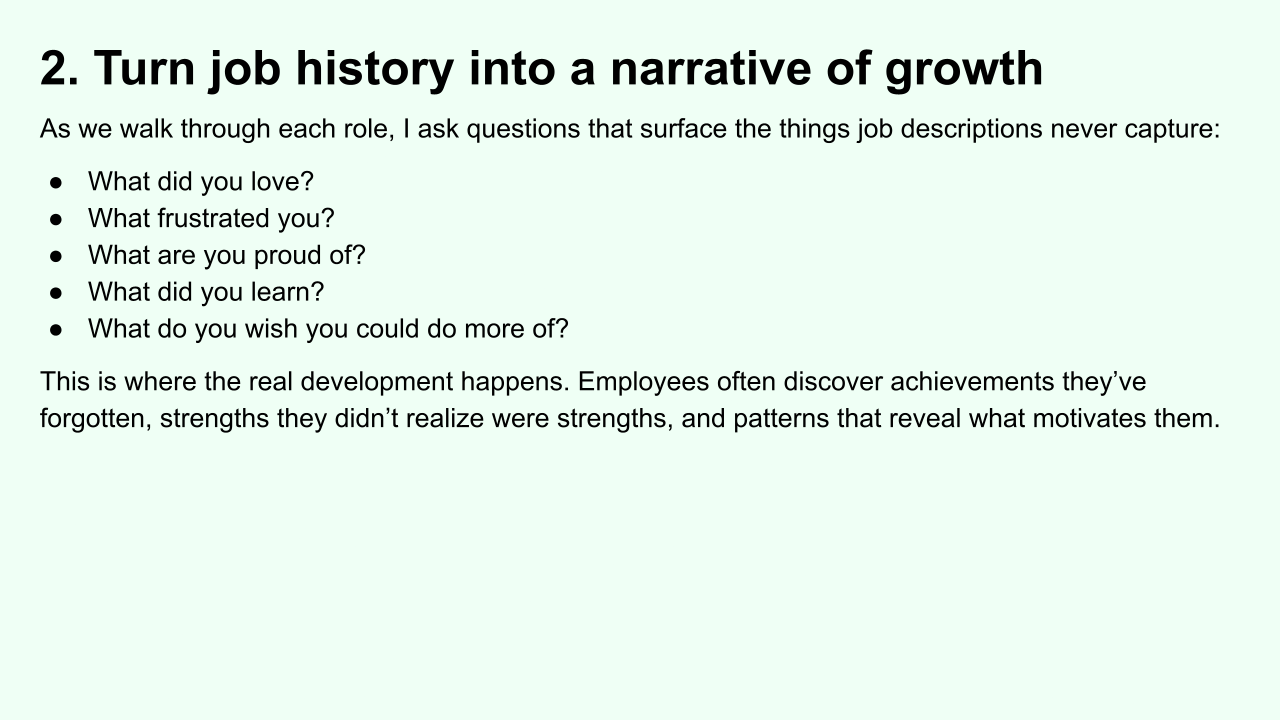
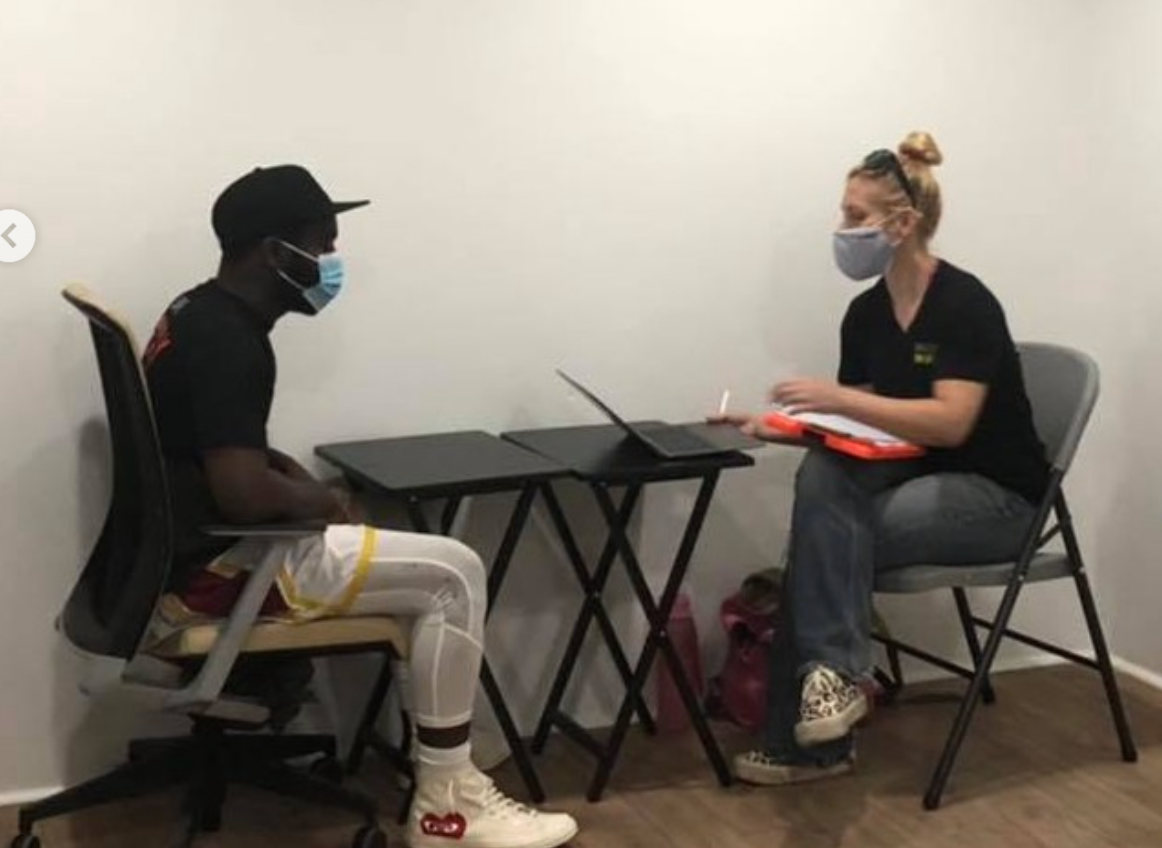
In a single focused hour, I use an employee’s resume (no matter how outdated, incomplete, or chaotic) as the entry point to a deeper conversation about their story:
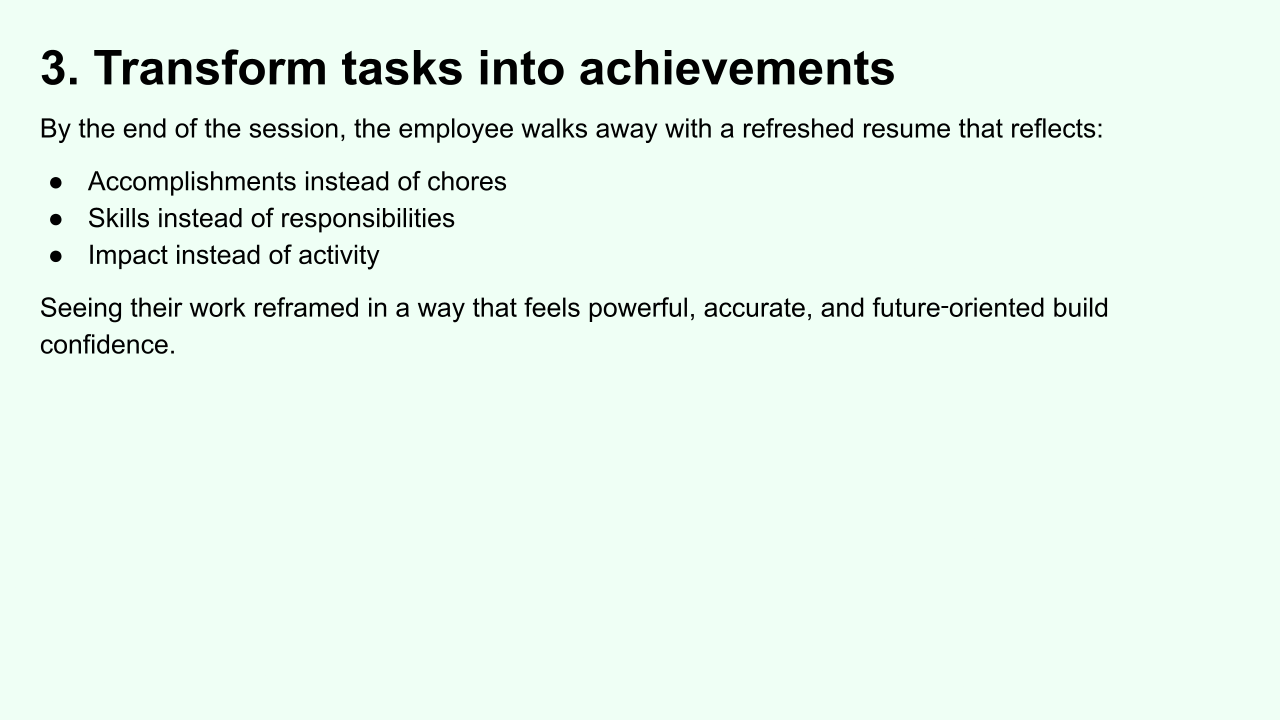
The resume becomes a diagnostic tool. A trust‑builder. A shortcut to understanding motivations, strengths, hidden skills, and untapped potential. Employees walk away with a resume full of achievements instead of job‑description chores. Managers walk away with insight they’ve never had before.
Most resumes read like a list of chores: “Responsible for…” “Supervised…” “Communicated with…”
That tells you nothing about who someone is.
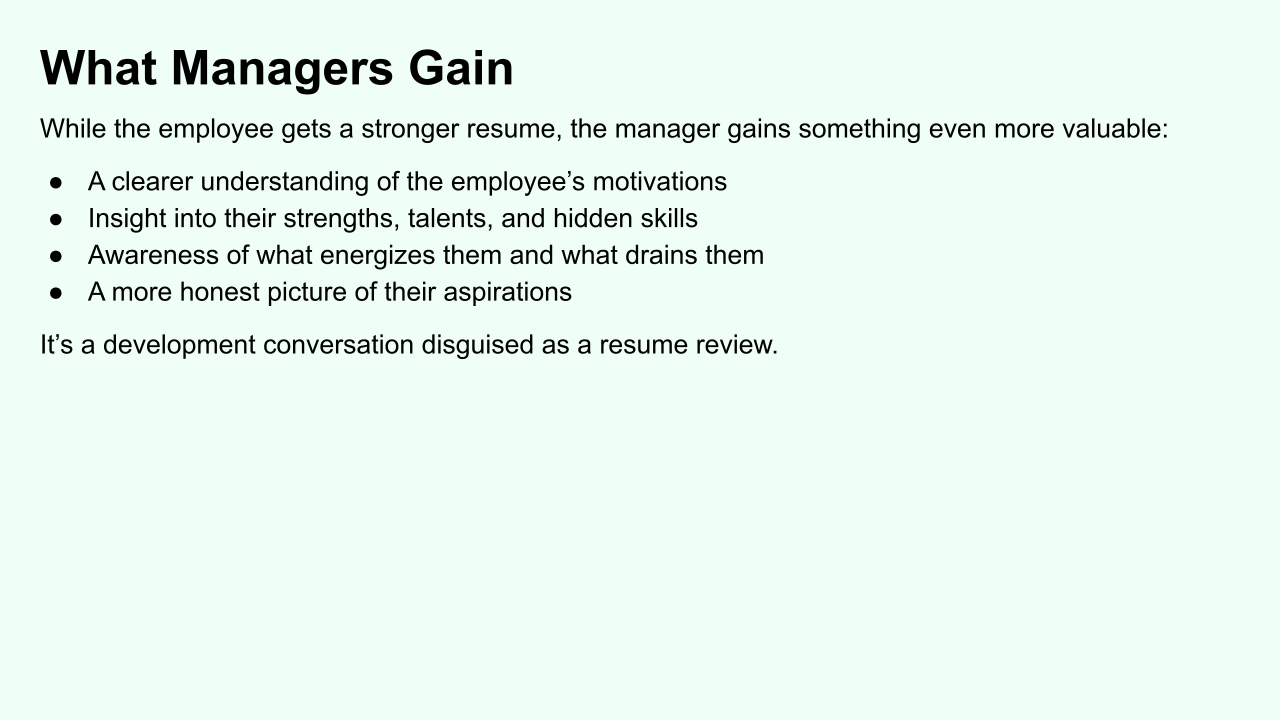
A resume built through conversation reveals:
This is the information managers need to delegate well, retain talent, build trust, and plan for succession.
Early‑ and mid‑career employees often ask, “How do I match the requirements?” But the better question—the one that unlocks growth—is: “What do I have to offer?”
To answer that, they need to understand their own story. And you, as their leader, need to understand it too.
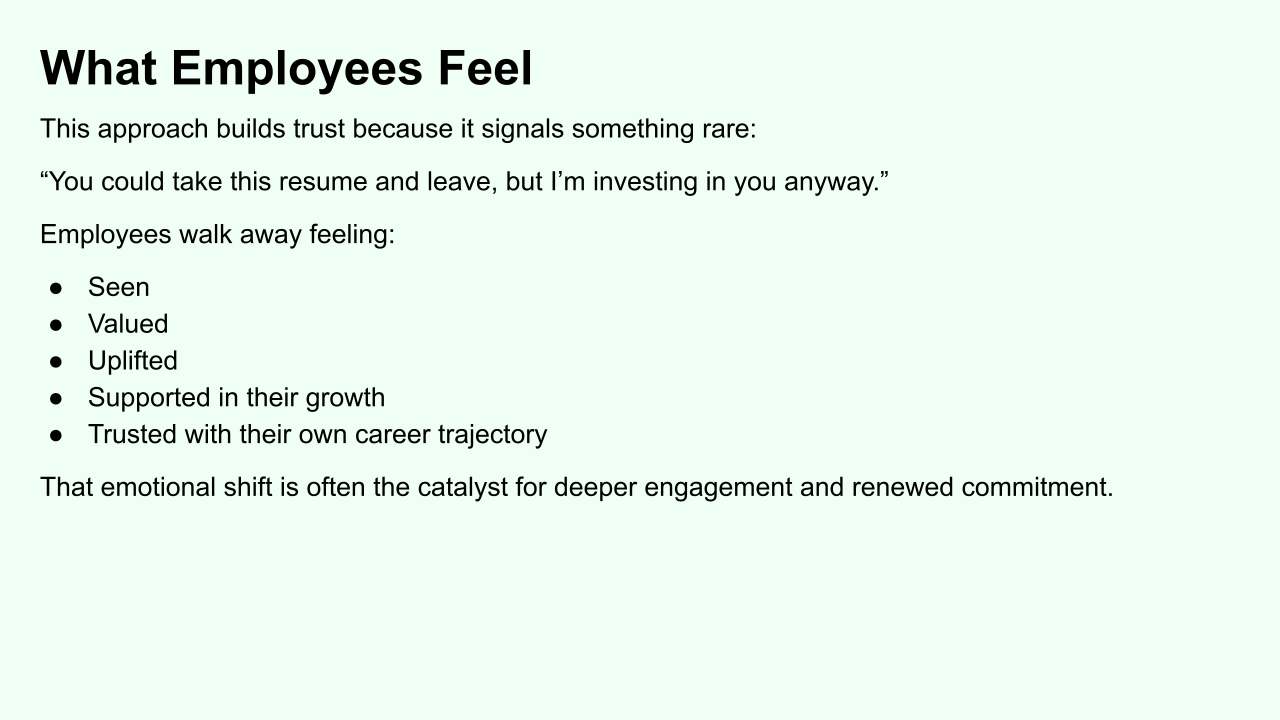
In one hour, we turn a resume into a development conversation—one that leaves employees feeling seen, valued, and supported. It builds trust. It boosts morale. It strengthens retention. And it gives managers the insight they need to grow their people and their teams.
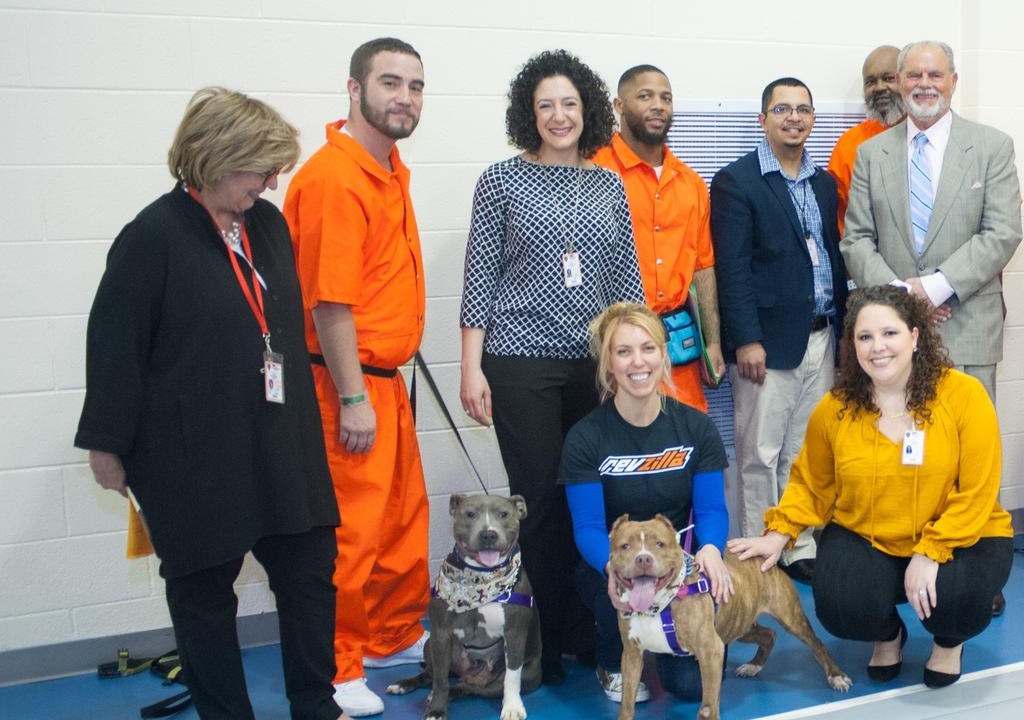
I developed this approach over the past decade, beginning in the Philadelphia Department of Prisons. I volunteered with a nonprofit preparing nonviolent offenders for early parole and paid internships. As a career readiness instructor, I wrote resumes, coached interviews, and worked individually with participants who often sheepishly said, “I’ve never had a real job.”
I followed my instincts and intuition, actively listening and asking questions to understand the person in front of me:
Through these conversations, we went from the shame of "I’ve never had a real job” to the pride of “I have a real resume that shows what I’ve accomplished.”
I helped people reconnect with their strengths, name their achievements, and rewrite their stories. In a traumatic prison environment where opening up and being vulnerable is dangerous, these conversations created safety, dignity, and possibility.
That experience shaped everything I do now. Since then, I’ve coached friends, colleagues, and professionals across industries to analyze their experience, articulate their impact, and translate their stories into resumes and interview narratives that lead to promotions, stretch assignments, visibility, and confidence.